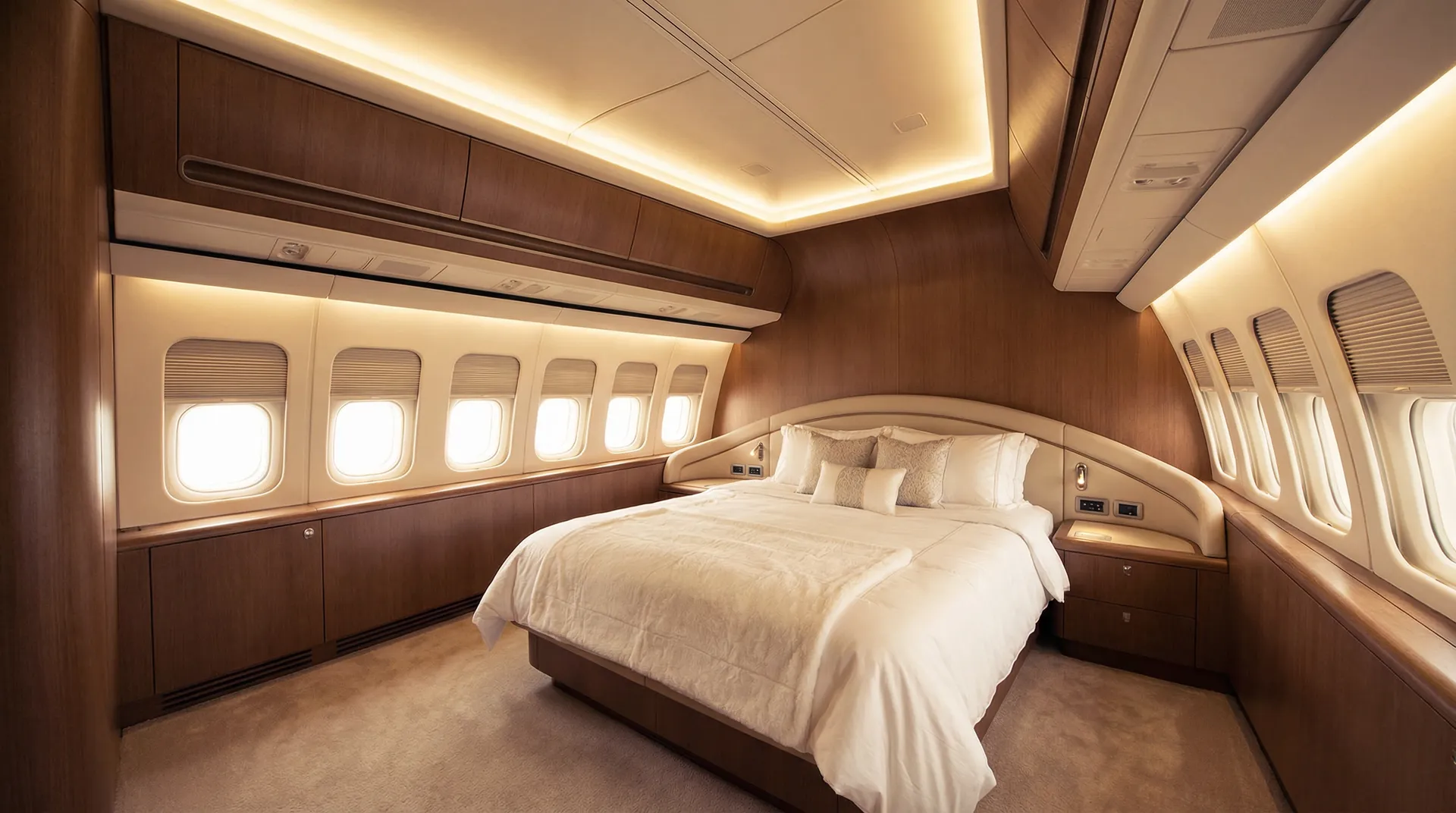
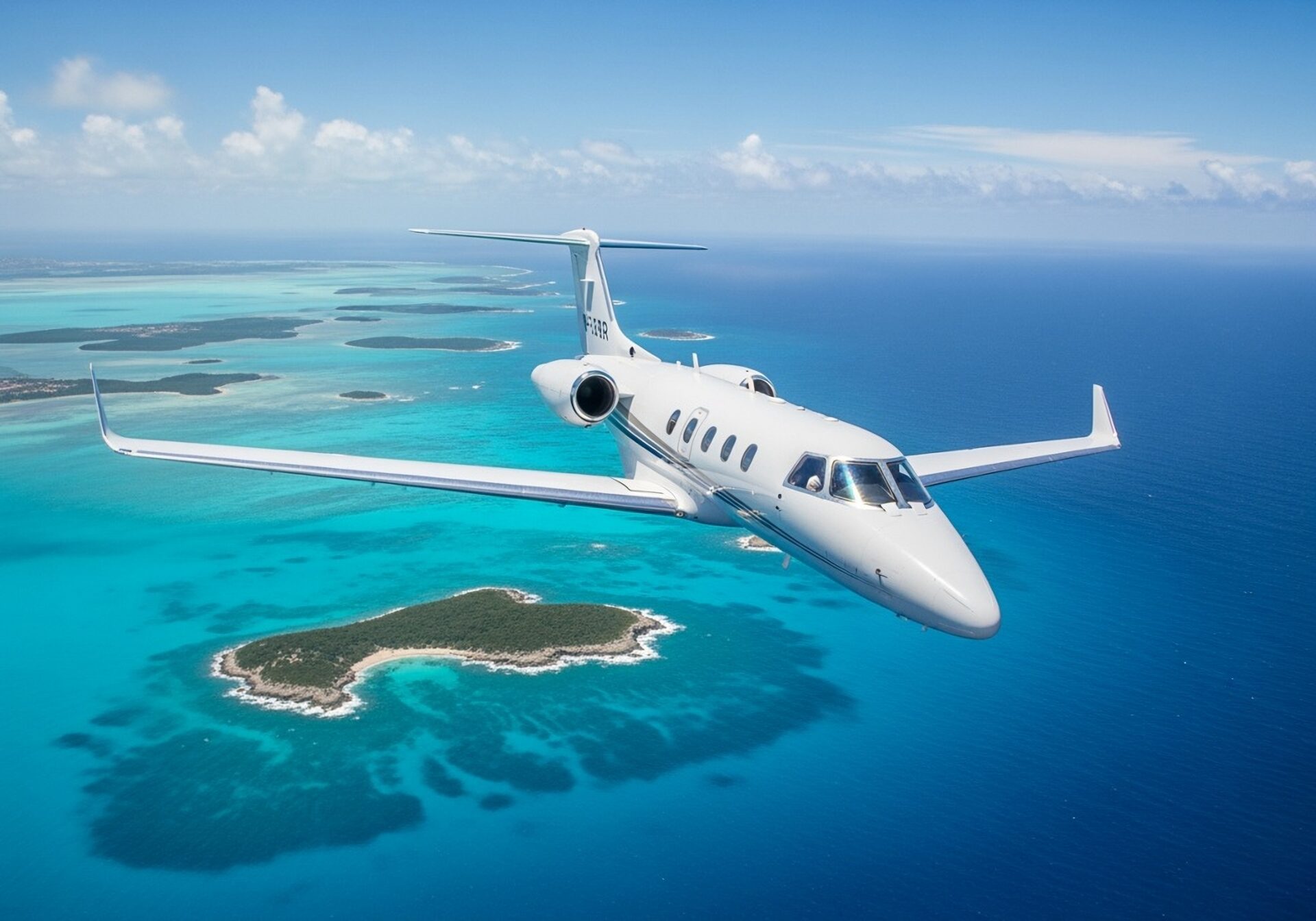
You don’t need a Silicon Valley IPO to skip the TSA line. While pop culture suggests every private flight takes place on a $75 million Gulfstream, the industry reality is shifting dramatically toward accessibility.
Think of this evolution through the lens of the automotive market. If a long-range heavy jet is a luxury tour bus, the Very Light Jet (VLJ) is a high-performance sedan. These compact aircraft, often boasting cabin dimensions similar to a large SUV, have significantly lowered the cost of private jet operations for regional travel.
Access often relies on smart logistics rather than outright purchase. Industry data reveals that savvy flyers utilize “Empty Legs”—repositioning flights that fly vacant to pick up the next client—to secure seats at discounts often rivaling commercial first-class tickets. For those seeking consistency, fractional ownership offers a solution akin to a subscription service, guaranteeing access without the operational headaches of managing a whole aircraft.
Determining the real private jet price requires looking past the hourly rate to the value of hours saved. This guide removes the traditional opacity surrounding affordable private jets, breaking down the math to help you decide if skipping the terminal is a practical reality for your next trip.

Why “Empty Legs” Are the Hidden Clearance Racks of Aviation
Imagine a limousine driver dropping a client off at a wedding and then driving back to the garage alone. In aviation, that return trip costs the operator thousands in fuel and crew fees, so they attempt to recoup costs by selling the route at a fraction of the market price. These are “empty leg flight deals”—essentially the clearance rack of the sky. Because the plane must fly to its next destination regardless of passenger count, carriers often list these seats for up to 70% off standard charter rates, bringing the cost surprisingly close to a commercial first-class ticket.
While the price tag is attractive, flexibility is the mandatory trade-off. Unlike a standard charter where the jet waits for you, these flights run on a fixed schedule determined by the original paying customer’s itinerary. If their meeting runs late or they cancel, your flight might disappear. This option is the closest most travelers get to the billionaire lifestyle without needing to find a cheap private jet to buy for themselves—you get the luxury hardware without the multimillion-dollar commitment.
Finding these discounted private jet flights used to require inside connections, but modern technology has democratized access. Private aviation providers like Privé Jets now aggregate these opportunities directly for consumers.
Once you graduate from opportunistic one-way deals to needing reliable round-trip travel, the math changes significantly.
The “Uber of the Skies”: Choosing Between Chartering and Jet Cards
When your schedule cannot tolerate the uncertainty of an empty leg, you step into the world of on-demand chartering. Think of this as the “Uber Black” of aviation: you request a specific plane for a specific time and pay only for that single trip. For travelers flying fewer than 25 hours a year—roughly four to five round trips—paying as you go remains the most economical strategy, allowing you to access the skies without locking away six-figure deposits in membership fees.
However, private jet charter prices are notoriously volatile. Much like booking a commercial flight at the last minute or hailing a ride-share during a rainstorm, the cost depends entirely on market demand and aircraft availability. You might pay $5,000 per hour on a calm Tuesday and $8,000 for the same route on a holiday weekend. Every quote involves a new negotiation, and you are often liable for “ferry fees”—the cost of flying the empty plane to your location before you even board.
Frequent flyers often upgrade to a jet card to eliminate this fluctuating private jet rental pricing. By pre-purchasing a block of time, you unlock key jet card membership benefits like guaranteed availability and fixed hourly rates. This model functions like a high-end debit card: hours are deducted at a predictable price regardless of the plane’s starting location. The primary trade-off is often a peak day surcharge, which adds premium fees during high-traffic periods like the Super Bowl or Christmas.
The decision ultimately comes down to a simple break-even calculation regarding your time in the air. If your annual travel exceeds that 25-hour threshold, the stability and speed of a membership usually outweigh the premium upfront cost. Once you have determined how to pay for the flight, the next step is choosing the right machine for the mission, starting with a revolutionary class of aircraft that proves size isn’t everything.
From Cirrus to Honda: The Rise of the Very Light Jet (VLJ)
For decades, the term “private jet” conjured images of massive, boardroom-style cabins requiring a full flight crew. Enter the very light jet (VLJ), a category designed to be the “flying SUV” of the aviation world. These compact aircraft are often certified for single-pilot operation, meaning the person in the cockpit might be the owner rather than a hired captain. This design choice, combined with lighter frames, drastically lowers operating costs, making short hops—like Los Angeles to Las Vegas or London to Paris—financially viable for a broader range of travelers.
Innovation in this space focuses on maximizing cabin comfort within a small footprint. The HondaJet, for instance, features a unique over-the-wing engine mount that removes flight noise from the fuselage, creating a cabin experience quieter than many luxury sedans. While large jets burn fuel by the barrel, these lightweight marvels are efficiency champions. However, “entry-level” still demands a significant budget; the Honda HA 420 price sits around $6 million for a new model, while the smaller, single-engine Cirrus Vision Jet cost hovers near $3 million.
Top Entry-Level VLJ Contenders:
- Cirrus Vision Jet G2+: 1,200 nm range | 5 adults + 2 kids | ~$3.2 Million
- Embraer Phenom 100EV: 1,178 nm range | 4–5 passengers | ~$4.9 Million
- HondaJet Elite II: 1,547 nm range | 5–6 passengers | ~$6.9 Million
Buying brand new offers the latest avionics, but the initial depreciation curve can be steep. Smart buyers often look just past the showroom floor to the pre-owned market, where legendary workhorses offer similar utility for a fraction of the cost.

Buying Pre-Owned: Why a Used Cessna Citation Mustang is a Smart Entry Point
Just like driving a luxury sedan off the lot, new aircraft suffer the steepest depreciation in their first few years, creating a massive opportunity for smart buyers. For the aspiring owner, this creates a “sweet spot” in the market where you can acquire a highly capable machine without paying the premium for that new-plane smell. Browsing listings for a jet plane for sale often reveals that a ten-year-old aircraft offers 90% of the utility of a new model for 50% of the price. This sector is where value hunters thrive, looking for used small business jets for sale that have already taken their biggest financial hit but still have decades of service life remaining.
The Cessna Citation Mustang is the perfect case study for this strategy, serving as the Honda Civic of the jet world—reliable, plentiful, and easy to service. While a car buyer obsesses over the model year, an educated jet buyer focuses on “airframe hours” and “cycles”—the specific number of takeoffs and landings the metal has endured. A low-hour 2008 model might actually be more valuable than a high-use 2012 model. Currently, the pre-owned Cessna Citation Mustang price generally ranges between $1.5 million and $2.5 million, offering twin-engine safety redundancy that many newer, single-engine competitors simply cannot match at that price point.
Skeptics often worry that older aircraft are prone to mechanical failure, but aviation regulations prevent these planes from becoming “clunkers.” Unlike a car that can run until it fails on the highway, jet engines and airframes must undergo mandatory overhauls at specific intervals, effectively returning major components to “zero time” status. This strict oversight ensures a 15-year-old jet is just as safe as one built yesterday, provided the maintenance logbooks are spotless. However, while the purchase price might look like a bargain, the real financial challenge hides in the recurring costs required to keep those engines legal and airworthy.
The “Hidden Iceberg”: Navigating Operating Costs and Maintenance
Securing the title to a jet is arguably the easiest check you will write; the real financial heavy lifting begins immediately after closing. Think of the purchase price as the tip of an iceberg, with the massive bulk of hidden expenses of private aviation lurking below the surface in the form of fixed costs. Whether the aircraft flies 200 hours or sits gathering dust, you remain on the hook for hangarage—essentially renting a secure parking spot at the airport—and insurance premiums that rival the cost of a luxury car.
Once the wheels leave the tarmac, you trigger a second category of expenses known as variable costs. Fuel burn becomes your primary obsession, as even small jets guzzle roughly 60 to 80 gallons per hour, translating to hundreds of dollars for every sixty minutes of flight. Beyond the pump, owners must contribute to “maintenance reserves” for every hour flown, effectively saving for mandatory engine overhauls in real-time. Understanding the operating costs of single-pilot jets requires calculating these per-hour rates against your expected travel schedule.
To visualize the annual financial commitment for a typical entry-level jet like the Mustang, consider this rough breakdown based on 150 flight hours per year:
- Fuel: $45,000 – $60,000 (The biggest variable factor)
- Hangarage: $25,000 – $40,000 (Location dependent)
- Insurance: $15,000 – $25,000 (Varies by pilot experience)
- Maintenance Reserves: $30,000 – $45,000 (Routine and unexpected repairs)
- Total Annual Run Rate: ~$115,000 – $170,000+
If the total cost of private jet ownership looks daunting for a single budget to bear, many aspiring aviators turn to a model that splits the bill explicitly to manage these overheads.
Fractional Ownership vs. Full Title: Which Math Wins for You?
For travelers who find the annual running costs of a whole jet overwhelming, the industry offers a “condo” solution known as fractional shares. Instead of shouldering the entire financial burden of hangar fees and crew salaries alone, you purchase a specific slice—usually starting at one-sixteenth—of a specific aircraft. This model operates much like a high-end timeshare but with far more flexibility; you pay an upfront capital cost and a monthly management fee, and in exchange, the best private jet companies handle every logistical nightmare from pilot scheduling to unscheduled maintenance.
When evaluating fractional aircraft ownership vs chartering, the decision often comes down to your personal flight calendar. If you fly between 50 and 150 hours a year, the decision to buy private airplane shares creates a predictable middle ground; owning a whole aircraft would leave the asset sitting idle too often to justify the fixed costs, while chartering every trip exposes you to fluctuating market rates and inconsistent cabin quality. A fractional share guarantees access to a uniform fleet with as little as ten hours’ notice, ensuring the plane is ready exactly when you are.
While this convenience commands a premium through monthly management fees, it simplifies the complex tax implications of treating the jet as a business asset. You still own a depreciable asset on paper—meaning you can potentially write off the purchase against business income—but you usually agree to sell that share back to the provider after a set term at a calculated residual value. For those who still crave the autonomy of sole ownership but need help offsetting the costs, specific bank strategies and rental agreements offer another viable path.
Smart Financing and “Leaseback” Strategies for Aspiring Owners
The leap to sole ownership often seems reckless, but savvy buyers treat the purchase less like a toy and more like a rental property. When you decide to buy a private jet, you can enroll it in a “Part 135” charter certificate, allowing a management company to rent it out when you aren’t flying. This “leaseback” strategy acts like the Airbnb model for aviation; your asset generates revenue to offset hangar fees, turning a dormant liability into a machine that pays for its own upkeep.
Uncle Sam also provides powerful incentives that drastically reduce the effective price. Under Section 179, a company can often write off the entire purchase against their annual earnings in the first year. This “bonus depreciation” drives many private jet sales, allowing profitable businesses to lower their tax bill while acquiring a valuable tool, provided the aircraft is used predominantly for commercial purposes.
Securing capital rarely requires straight cash, as specialized banks now view aircraft as stable assets similar to real estate. Financing options for personal aircraft offer terms up to twenty years, allowing owners to potentially match loan payments with incoming charter revenue. While this approach requires a trusted management partner, it brings full ownership within reach.

Your Flight Plan: 3 Steps to Your First Affordable Private Journey
Private aviation has shifted from a billionaire’s fantasy to a calculable reality. You now possess the insider knowledge to look past the velvet ropes and assess these aircraft for what they truly are: ultimate time-management tools. Whether you are splitting a turboprop with colleagues or hunting for clearance deals, the barrier to entry is lower than the industry wants you to believe.
To transition from curious observer to confident traveler, follow this roadmap:
- Monitor Opportunities: start to track “Empty Legs” and gauge real-world pricing for private jet flights against commercial first-class fares on your frequent routes.
- Calculate True Value: Move beyond asking “how much does a jet cost?” and start calculating the value of the four hours you save by skipping security and layovers.
- Start Small: Test the waters by booking a short-haul charter on a turboprop to experience the logistics before considering expensive jet cards or researching the best private planes for ownership.
The tarmac is no longer a forbidden zone; it is a calculated option for reclaiming your schedule.
Approaching private travel as a strategic asset, not just a status symbol, ensures that your spending results in the invaluable luxury of added time. We offer guidance on optimizing a cost-effective private jet travel experience, covering all aspects. Contact us anytime for expert advice from our private jet advisors.